From Soil Scientists to Farmers: Boys & Girls Club Students Dig into STEM and Agriculture
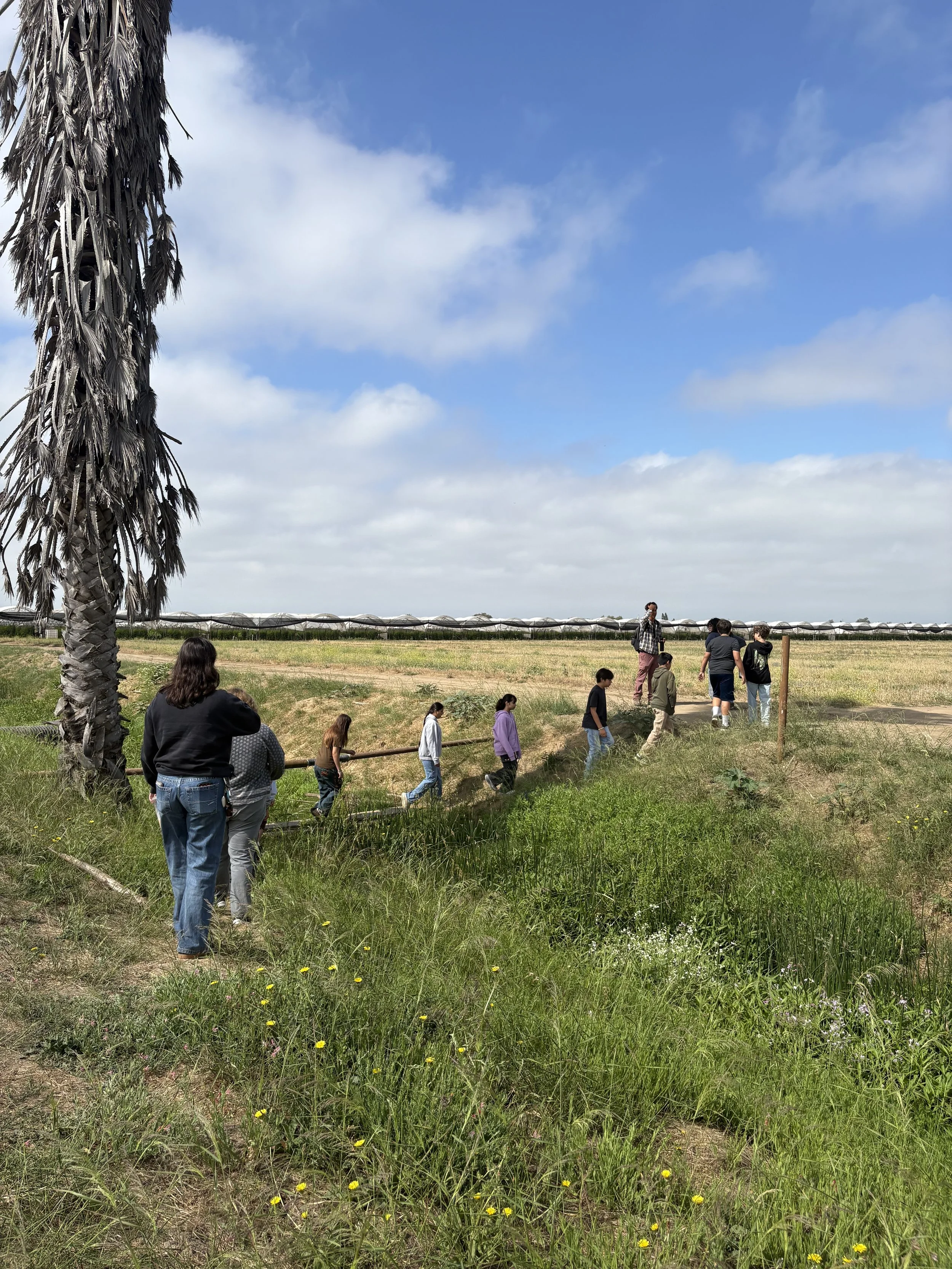
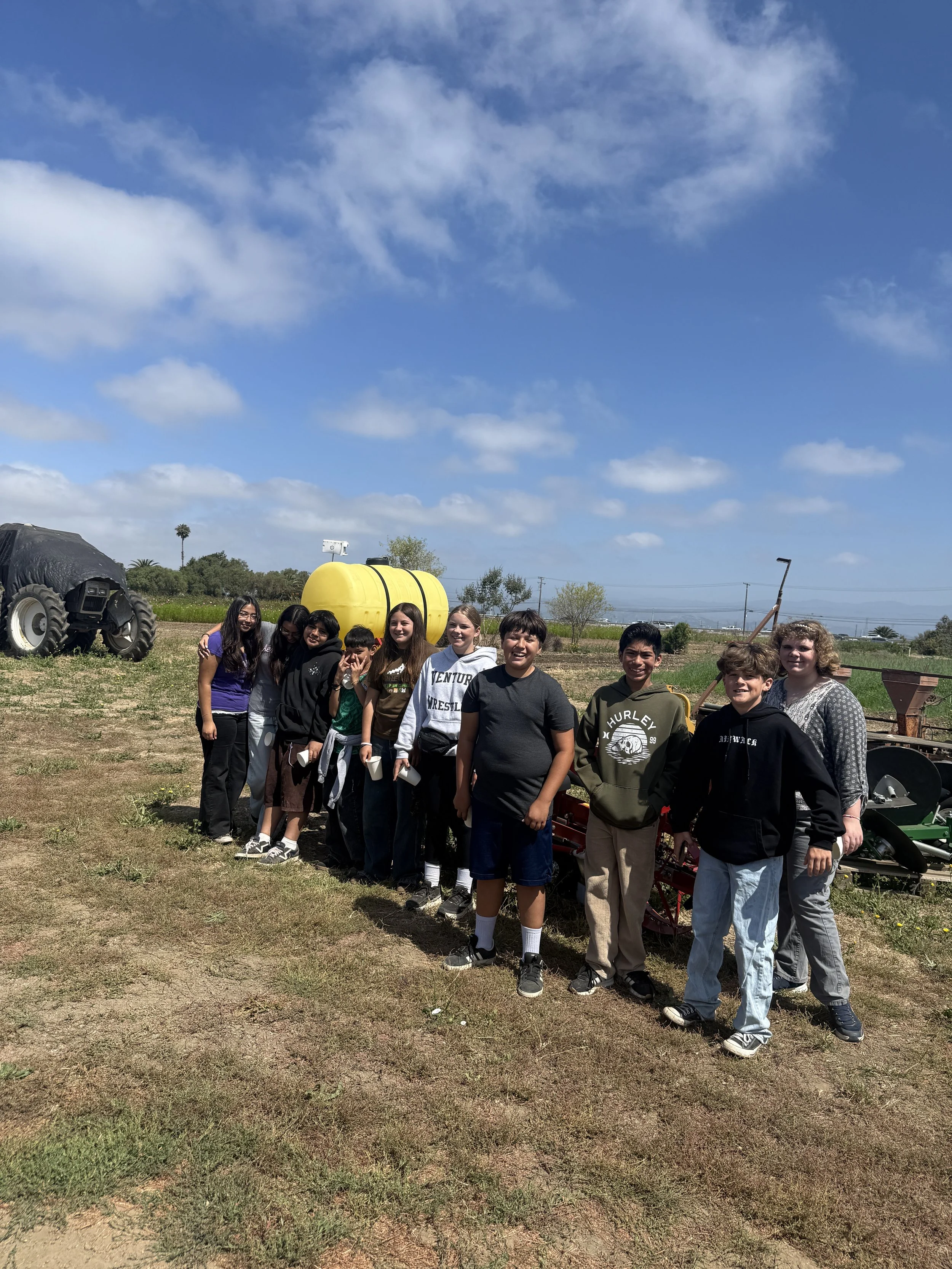
Boys & Girls Club Students Touring McGrath Family Farm
This summer, students from the Boys & Girls Club of Greater Ventura stepped into the world of soil science and agriculture through SEEAG's STEM programming.
The experience began in the classroom, where students explored one of agriculture's most important resources: soil. Through interactive soil labs, students learned why healthy soil is essential for growing food, supporting ecosystems, conserving water, and sustaining farms. They investigated the physical and chemical properties of soil by examining texture, color, moisture levels, organic matter, and electrical conductivity (EC).
Once they were familiar with the tools and techniques used by soil scientists, students put their newfound knowledge to work. Working in teams, they analyzed a variety of mystery soil samples, carefully recording observations and measurements before making educated guesses about the types of soil they were studying. The activity challenged students to think critically, use scientific evidence, and apply what they had learned throughout the lesson.
After building a foundation in soil science, students traveled to McGrath Family Farm for an immersive day of agricultural exploration. During a guided tour of the farm, they learned about the differences between organic, conventional, and regenerative farming practices and discovered how farmers make decisions to balance productivity, environmental stewardship, and soil health.
Students also explored the importance of biodiversity on farms and learned how growing a variety of crops can improve ecosystem health, support pollinators, and reduce pest pressures. Along the way, they were introduced to the machinery and tools farmers use every day to plant, cultivate, and harvest crops.
One of the highlights of the visit was learning about the "Three Sisters" planting method, a traditional Indigenous agricultural practice that combines corn, beans, and squash in a mutually beneficial growing system. Students discovered how corn provides a natural trellis for beans, beans help enrich the soil with nitrogen, and squash acts as a living mulch that helps retain soil moisture and suppress weeds.
Then it was time to get their hands dirty.
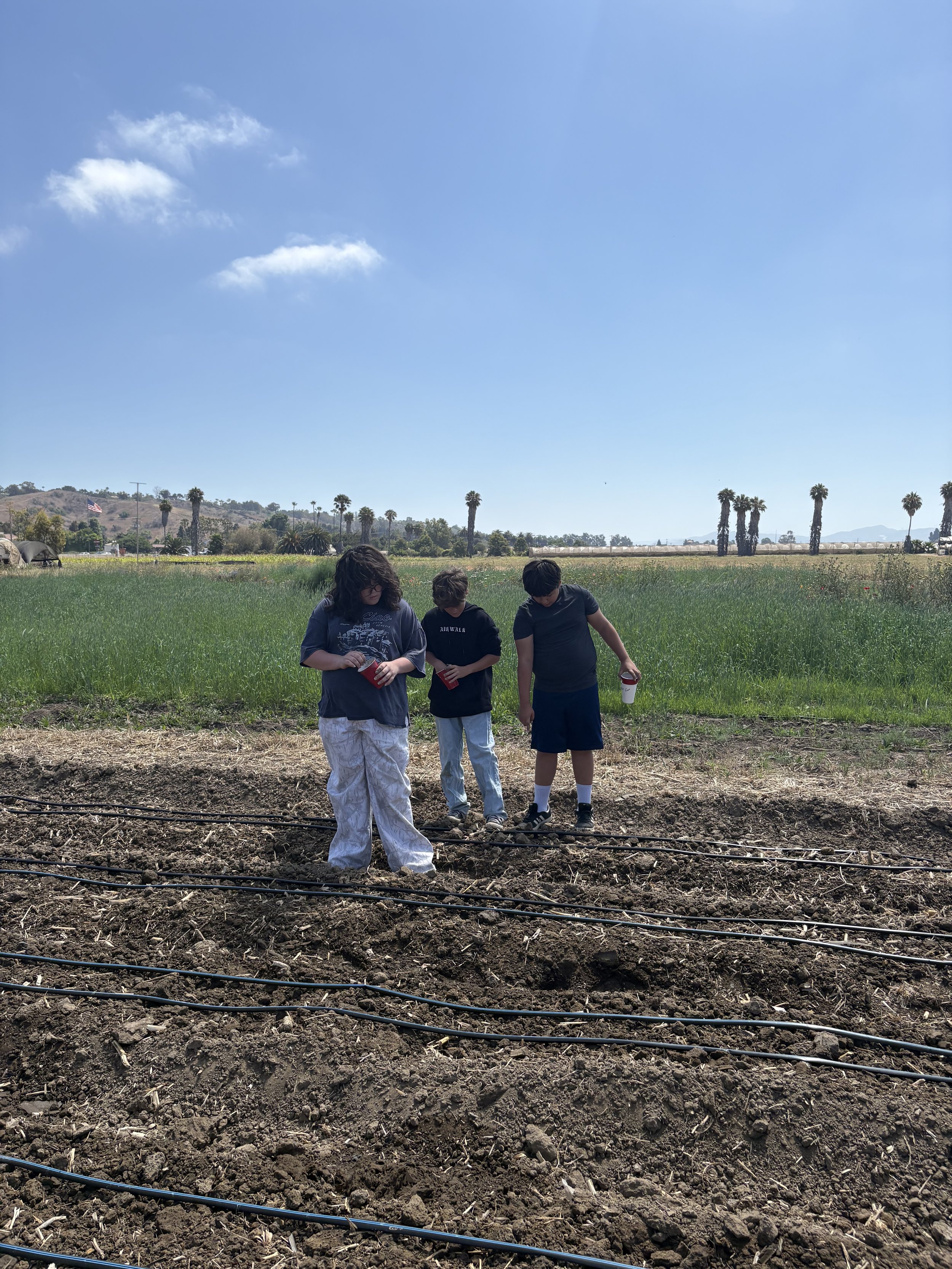
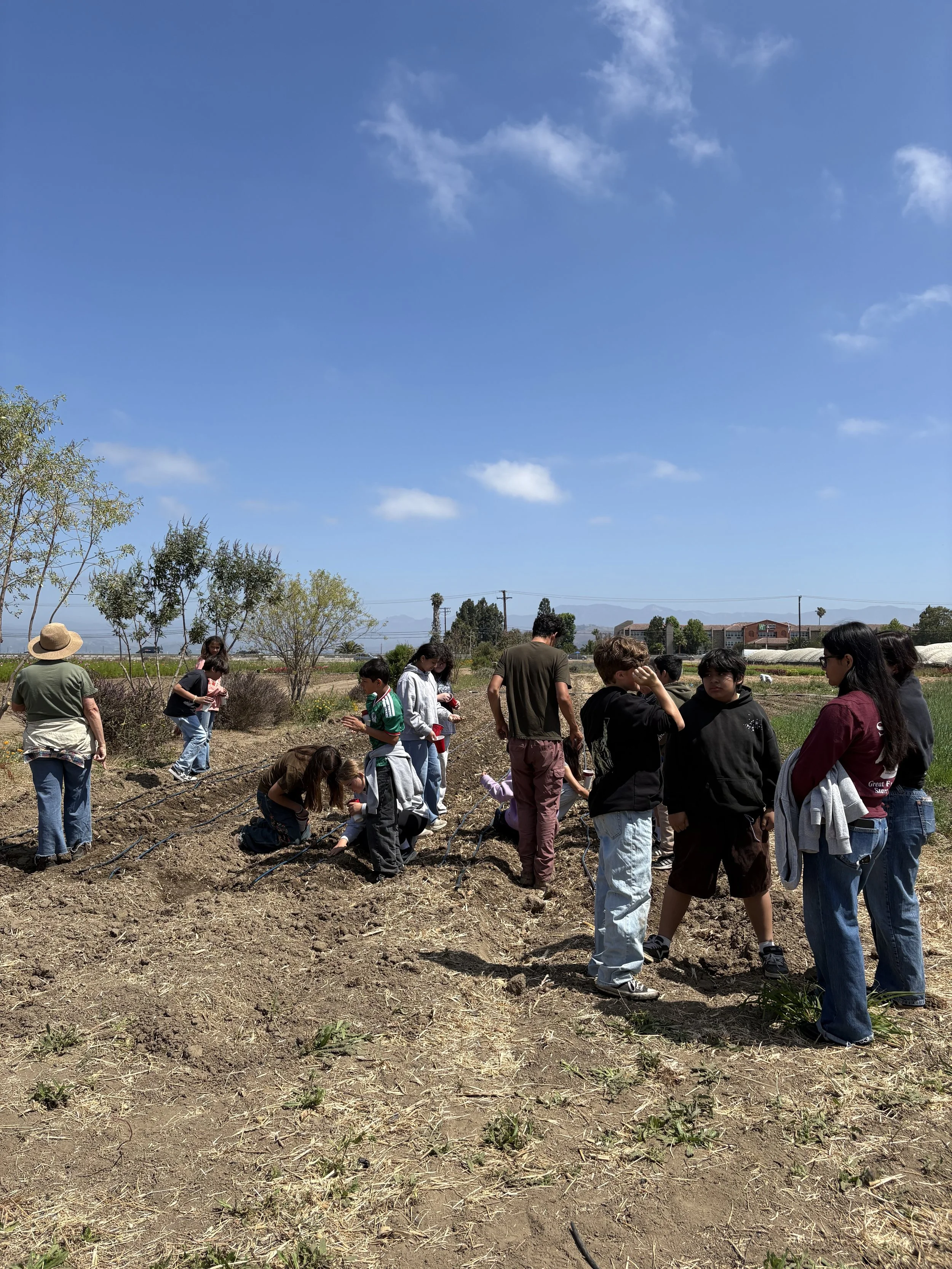
Working in small groups, students planted their own Three Sisters garden using corn, bean, and squash seeds. As they measured spacing, planted seeds, and worked together to complete their rows, students experienced firsthand the care, patience, and teamwork that agriculture requires. The activity gave them a new appreciation for the work farmers do every day to grow the food that ends up on our tables.
By connecting science concepts with real-world agricultural experiences, students gained a deeper understanding of where food comes from and the important role that healthy soils play in sustainable farming.