SEEAG Farm to Food Lab Recap 2025
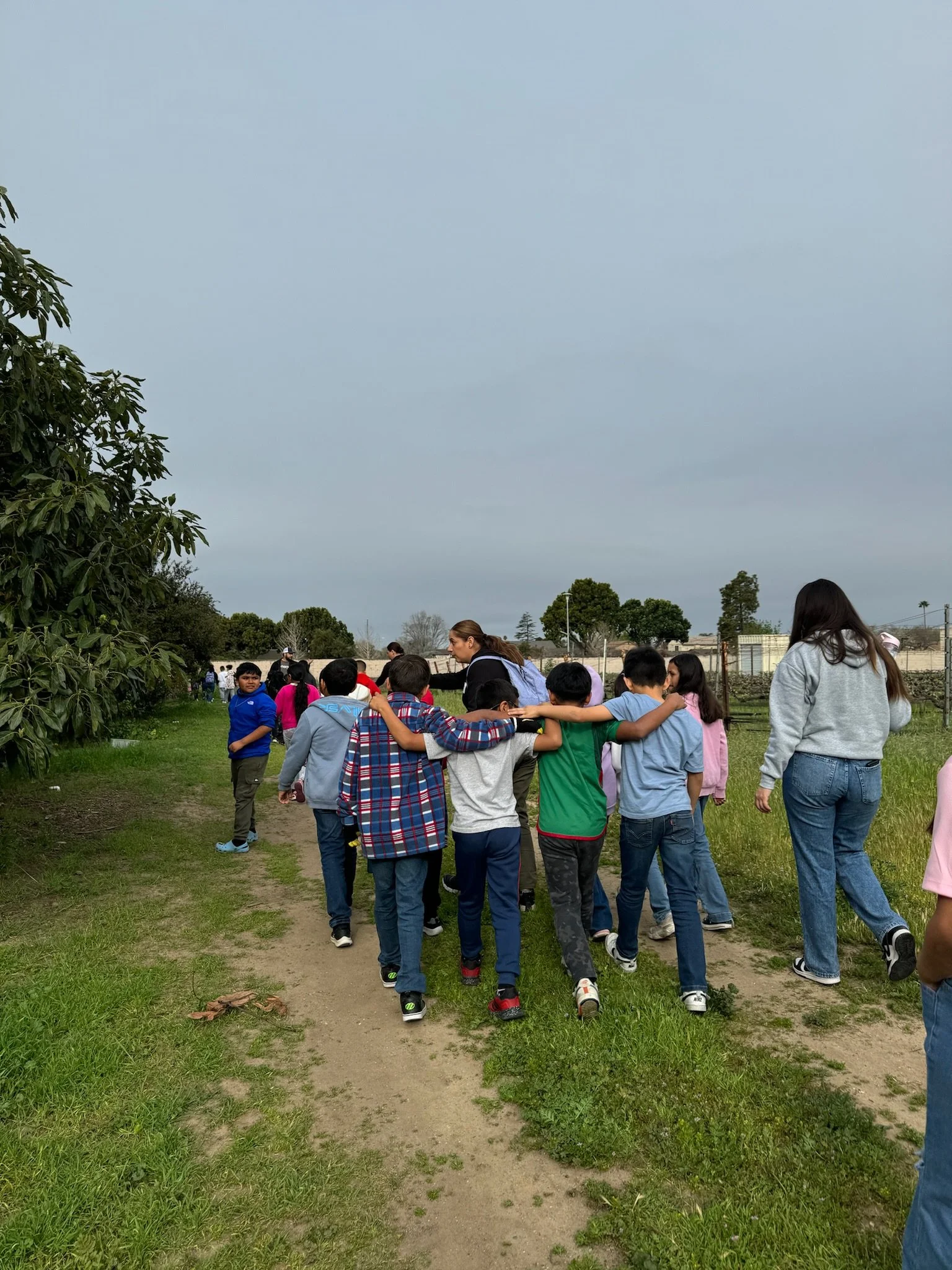
Students arm in arm at our Santa Barbara County Farm Lab Location in Spring 2025.
In 2025, SEEAG’s Farm-to-Food Lab continued to grow into a joyful, hands-on learning experience that helps students understand where their food comes from, how it supports their health, and why local agriculture matters. At the heart of the program is one big idea: the food supply chain, the journey food takes from the farm, to our plates, and back to the soil.
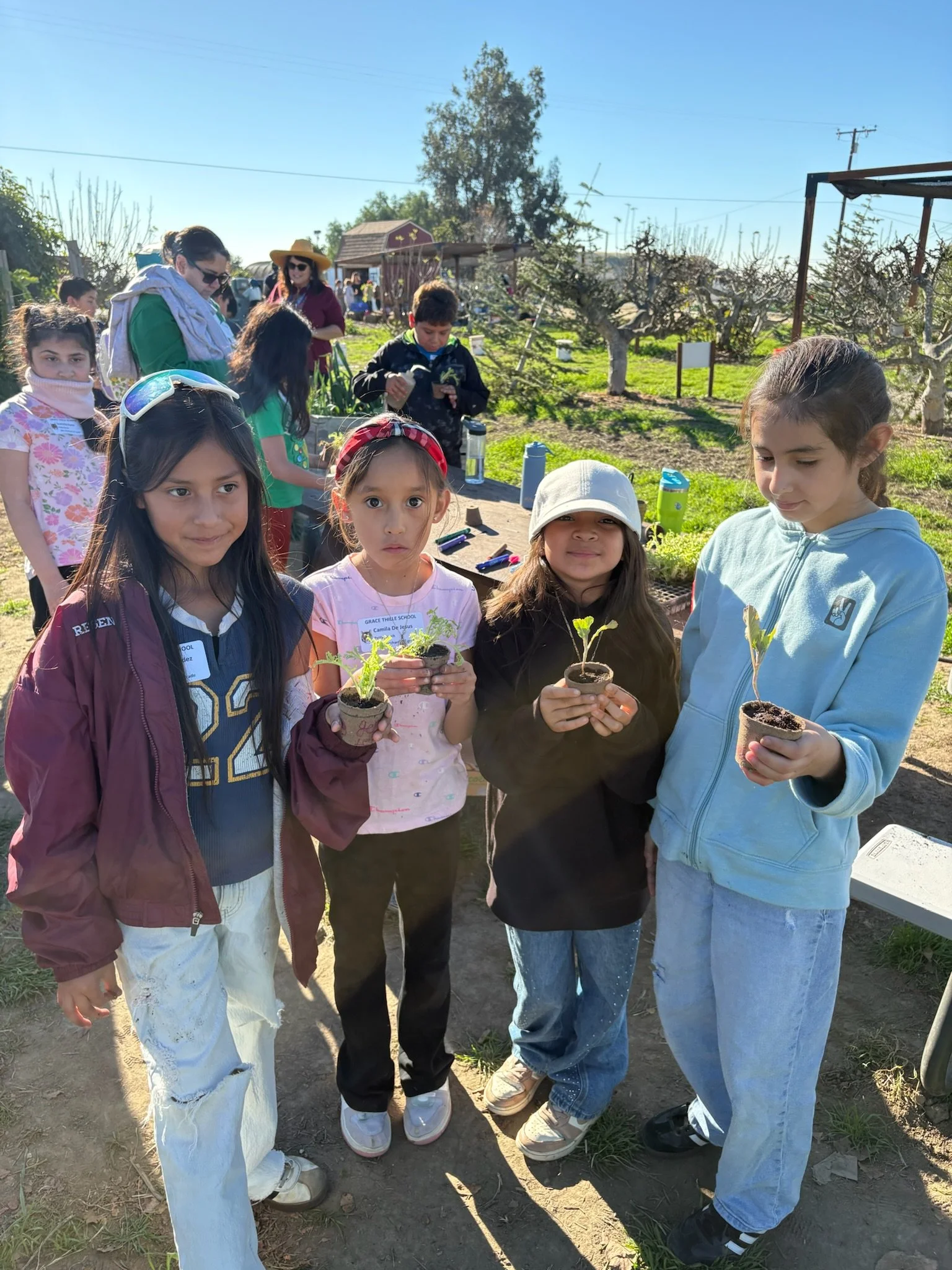
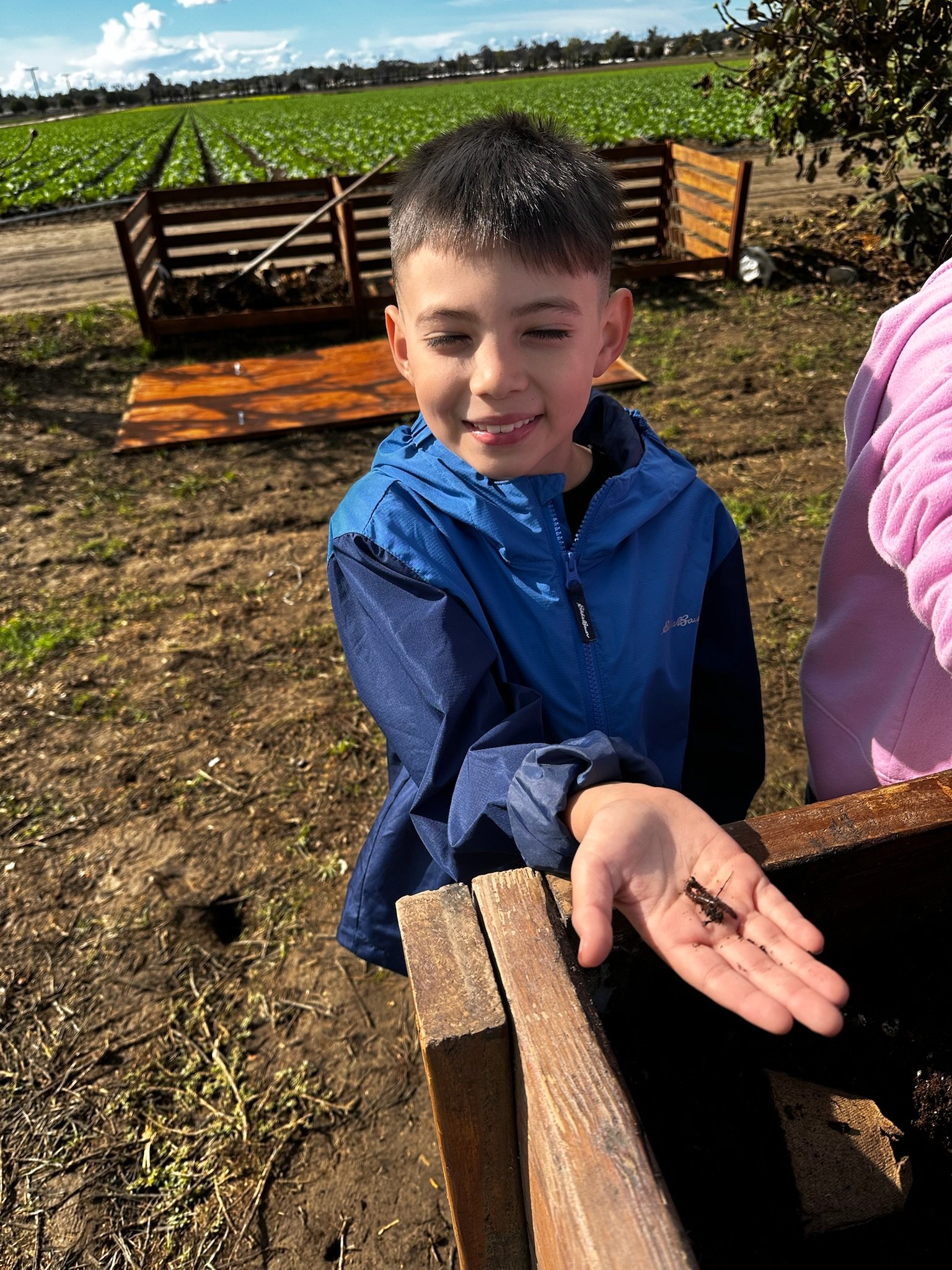
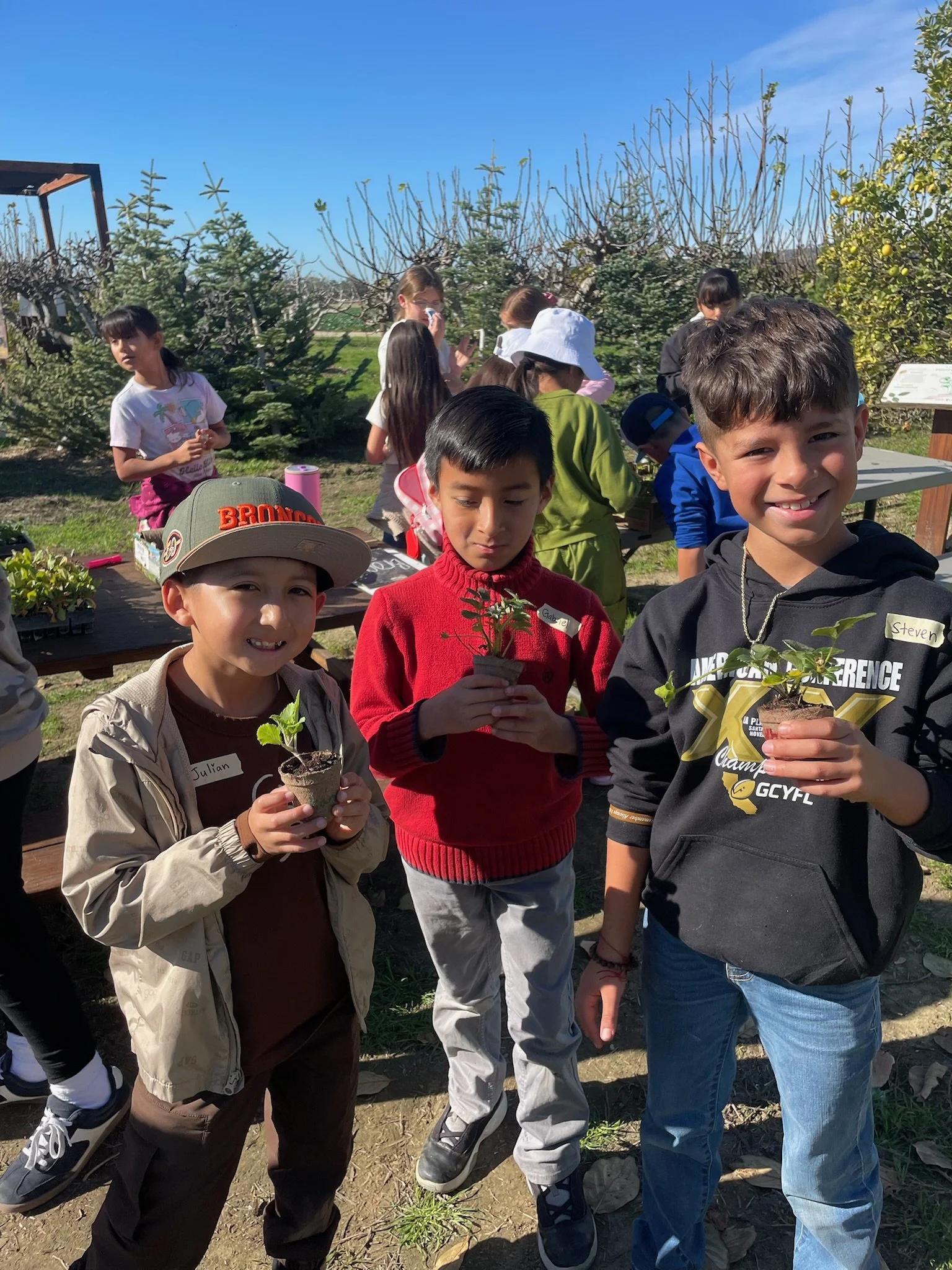
Through immersive, farm-based field trips and hands-on STEM lessons, students explored every step of this journey. From soil and seeds to harvest, food preparation, and composting, Farm-to-Food Lab connects students directly to agriculture.
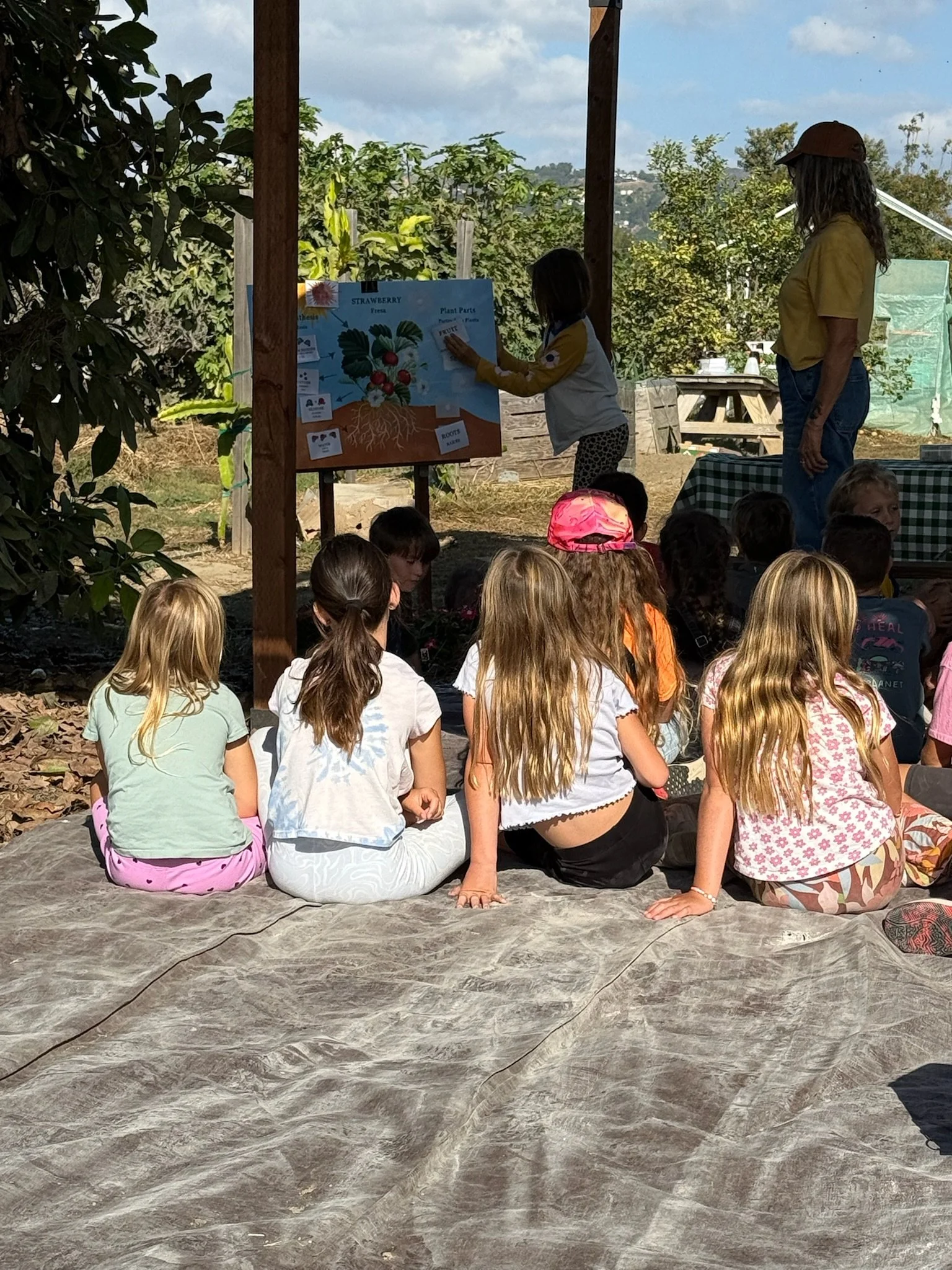
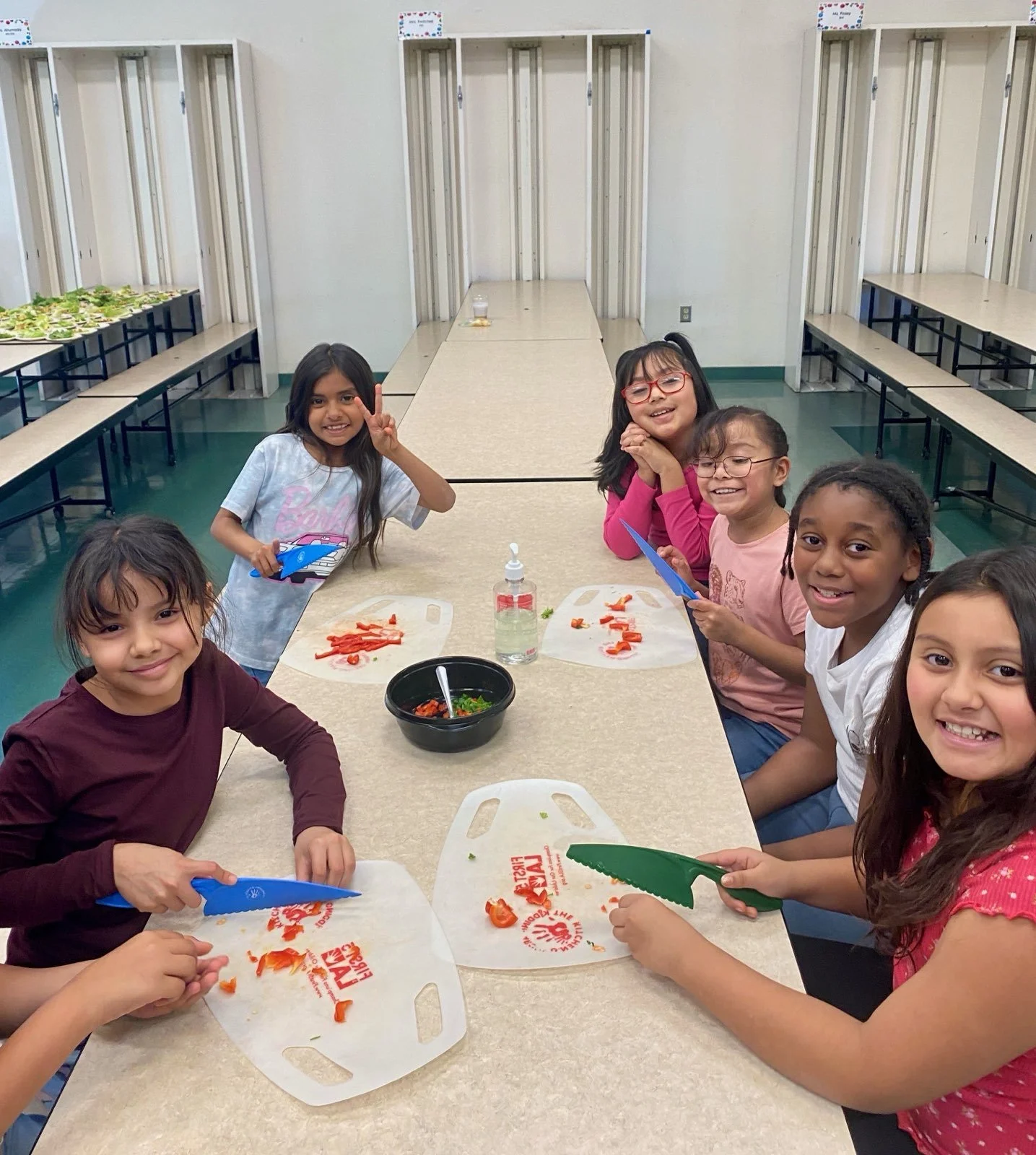
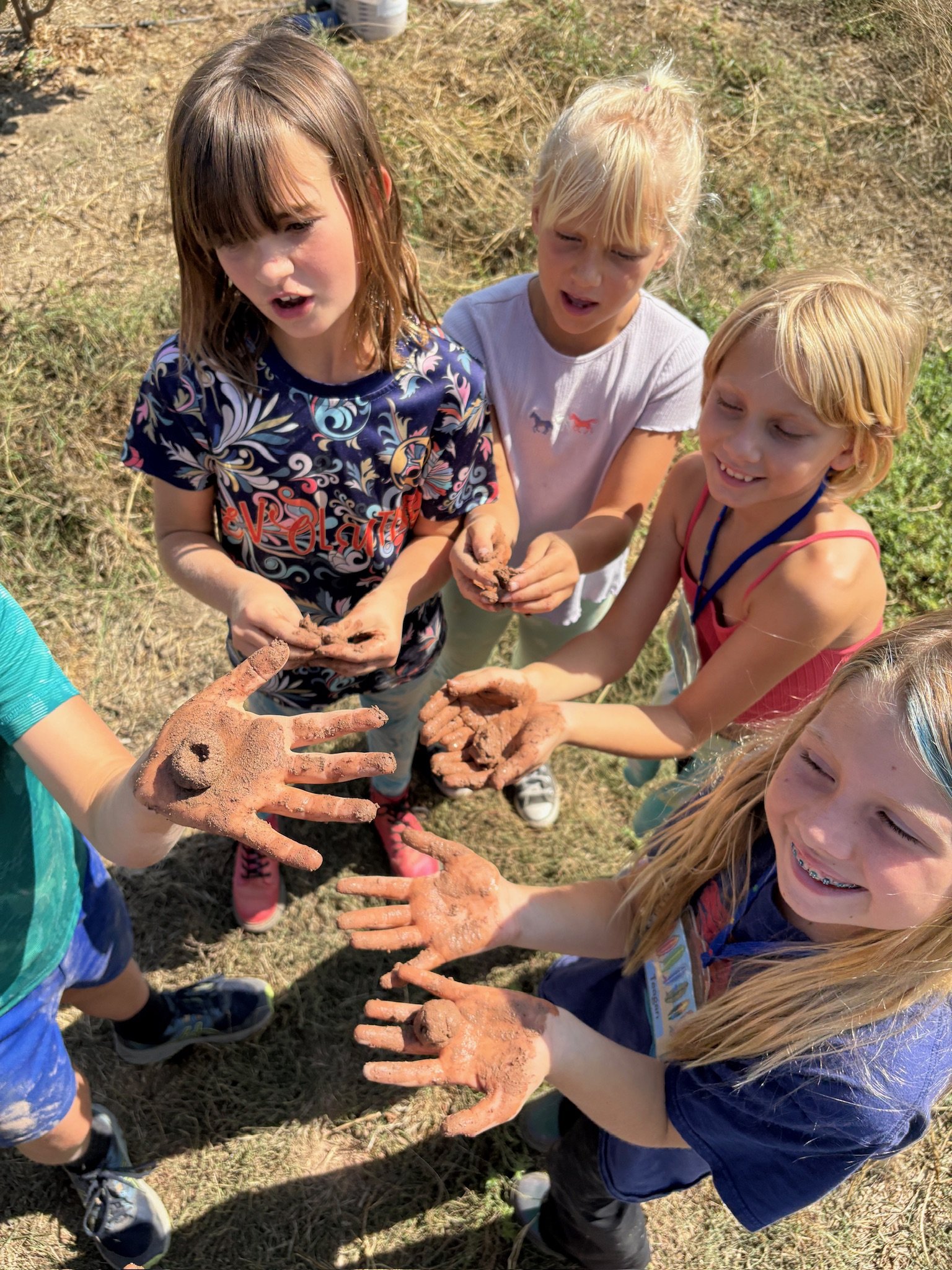
Experiencing Agriculture Firsthand
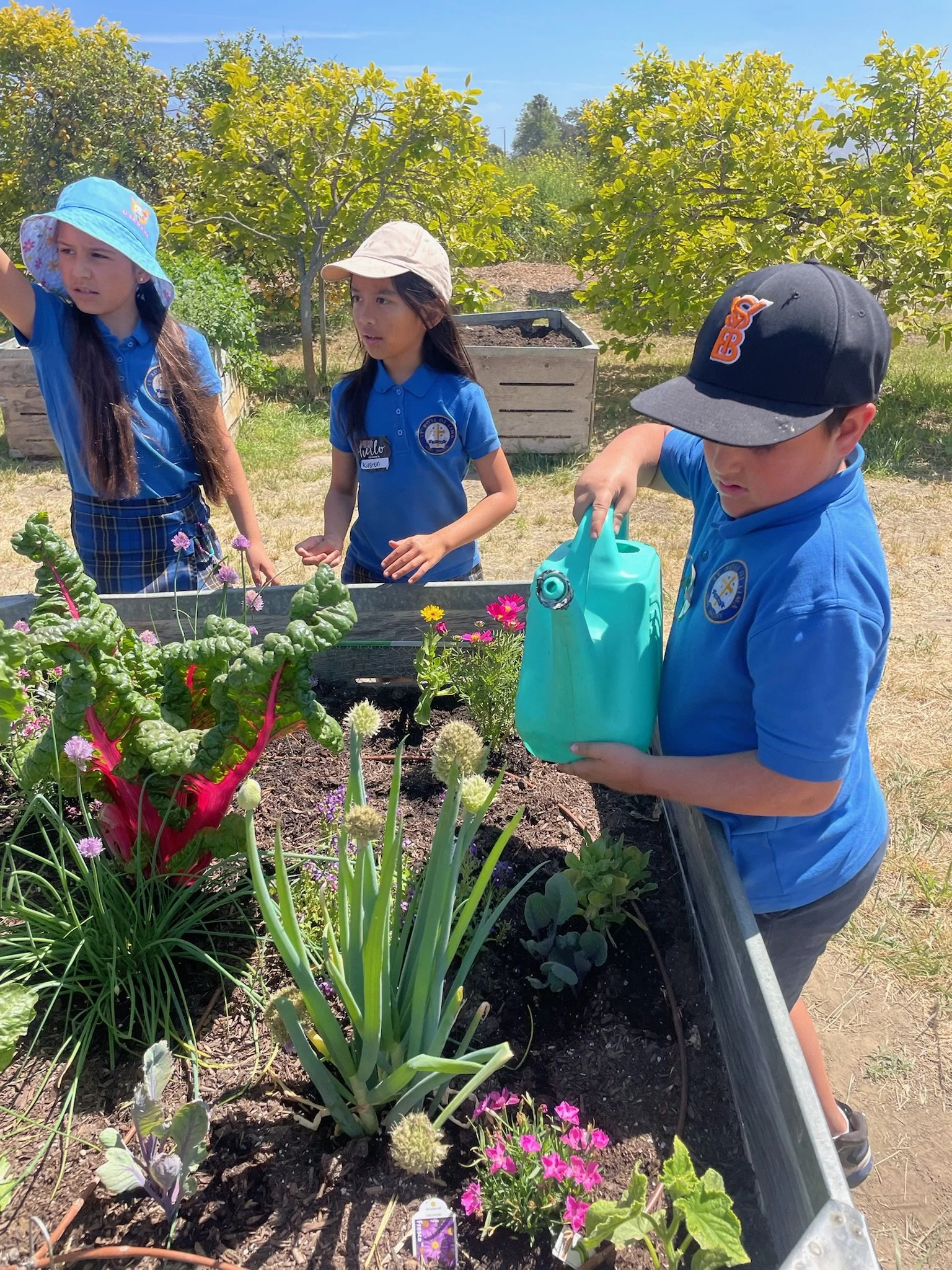
In Ventura and Santa Barbara County, students engaged directly with crops, soil, bugs, and irrigation systems at local farms. They observed how plants grow, how water is managed, and how farmers care for the land to feed their communities.
By the Numbers: Farm-to-Food Lab
Ventura County:
51 schools registered
2,839 students participatingSanta Barbara County:
21 schools registered
1,256 students participating
Understanding the Food Supply Chain
Farm-to-Food Lab shows students that food doesn’t simply appear at the grocery store; it relies on people, science, and teamwork at every step. Students learned about local food system careers; including farmers, farmworkers, irrigation specialists, scientists, packers, drivers, and distributors.
They also explored the sciences behind food production: soil, water, insects, and plants; and how these systems work together to move food from farms to plates. Just as importantly, students learned that they are part of the food supply chain through their food choices, meal preparation, and efforts to reduce food waste.
A key lesson of Farm-to-Food Lab is closing the food supply chain. Through composting and vermicomposting activities, students discovered how food scraps can be returned to the soil to nourish future crops. This “farm-to-food-to-soil” cycle helped students understand sustainability, soil health, and how small actions can make a big environmental impact.
Cooking with Local, Seasonal Foods
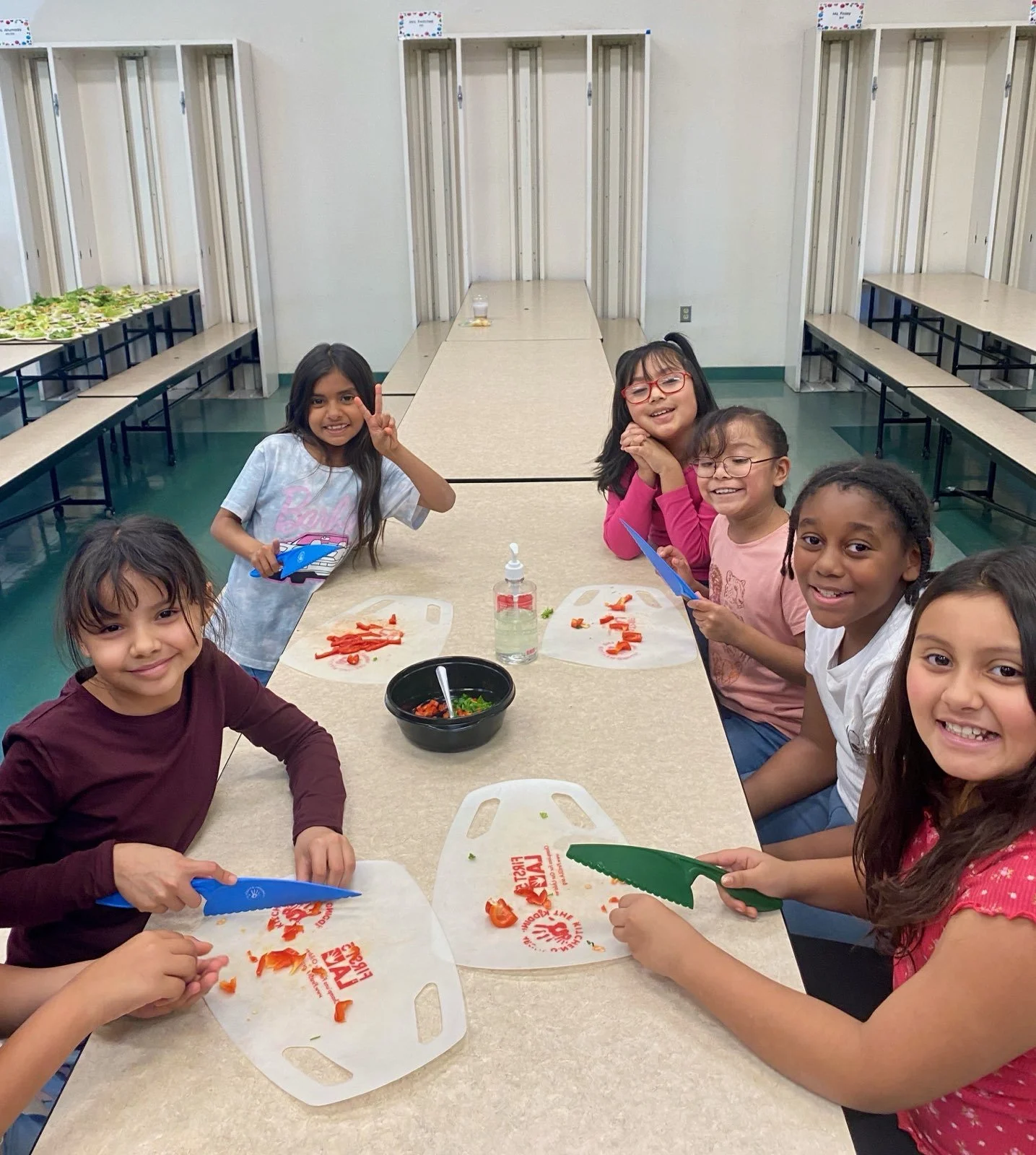
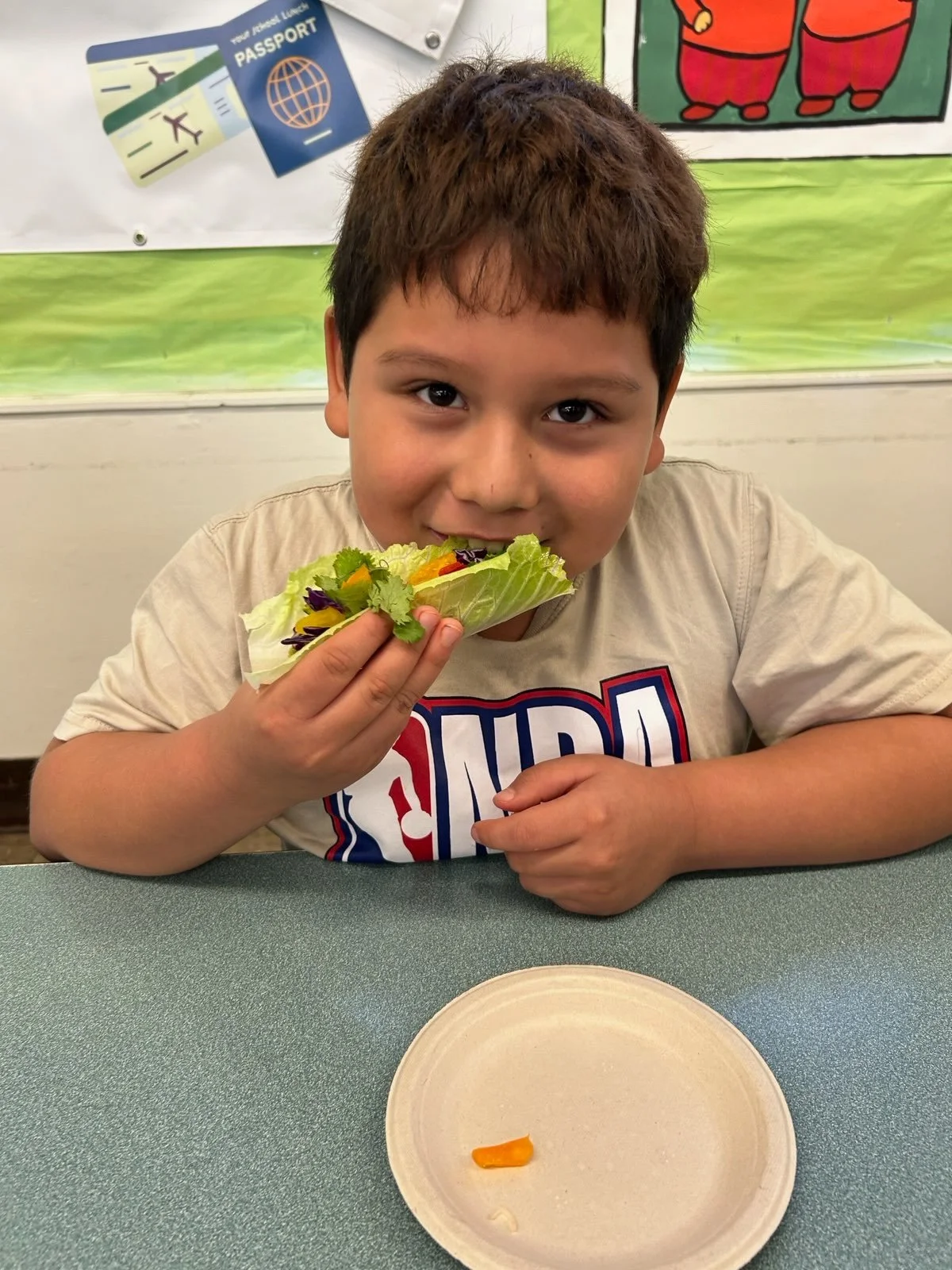
Students didn’t just learn about food; they made it. Using local, seasonal ingredients, students practiced kitchen skills, teamwork, and balanced meal-building while preparing:
Winter: Kale Citrus Salad
Spring: Fresh Guacamole
Fall: Lettuce Tacos
These activities helped students connect their meals to local agriculture and understand seasonal growing cycles in their own communities.
Learning about Local Top Crops
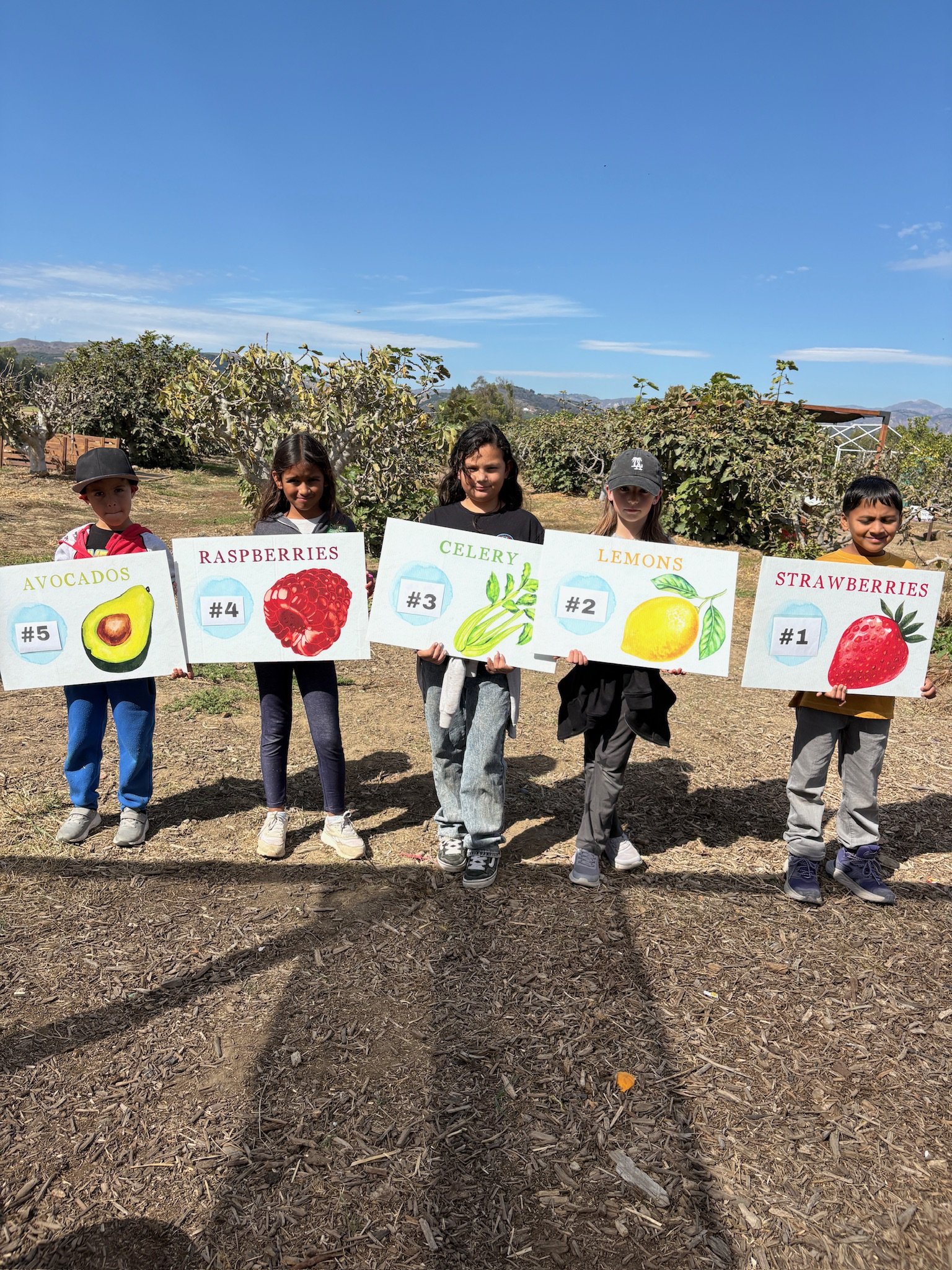
Students explored the top crops grown in their region, building pride and awareness of their local food systems.
Ventura County: strawberries, celery, lemons, raspberries, avocados
Santa Barbara County: strawberries, broccoli, lettuce, cauliflower, wine grapes
As we close out 2025, we are proud of the learning, growth, and community connections fostered through Farm-to-Food Lab. By teaching students about the food supply chain, from farm to table and back to the soil. The program continues to inspire appreciation for local agriculture.
Thank you to the teachers, families, farmers, volunteers, and community partners who make this program possible. We look forward to continuing to grow together in 2026!